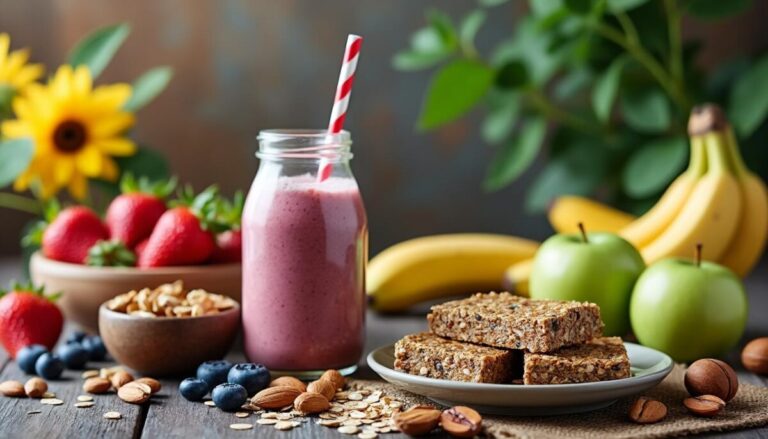

Sports nutrition: steady energy or a spike followed by a crash?
Hello, this is Orvane. Steady energy mainly comes from timing your carbohydrates well, staying properly hydrated, and eating a meal that’s easy to digest, rather than relying on a “miracle” food that causes an energy spike.
A meal that’s too heavy or a very sugary snack eaten on its own can cause discomfort and an energy dip during your workout. By contrast, sports nutrition tailored to the duration and intensity of your effort can help you maintain your energy without turning every workout into a complicated calculation.
What to do now
- Eat a complete meal about 2 to 3 hours before exercise, including carbohydrates and a source of protein.
- If you have less time, choose an easy-to-digest snack, such as a banana or applesauce.
- Drink regularly in small sips, especially if your workout is long or the weather is hot.
- For prolonged exercise, plan to have carbohydrates and, depending on the conditions, a drink containing sodium.
- After your workout, combine protein and carbohydrates to support recovery.
To plan your intake around your workout, see this guide to eating before, during, and after exercise. Complex carbohydrates and their role in energy can also help you put together satisfying, well-balanced meals.
Steady energy or a spike followed by a crash: the difference on your plate
A quick energy spike might seem appealing before a workout, but it doesn’t guarantee you’ll sustain your energy over time. A very sugary drink or candy eaten on its own can cause blood sugar to rise quickly; some people then experience an energy dip, particularly if their exercise session continues for a while.
By contrast, a meal containing carbohydrates, a little protein, and little fat, eaten shortly before training, provides fuel that’s easier to manage. The goal isn’t to avoid all sugar, but to choose the right intake at the right time, based on the activity and your digestive tolerance.
A full meal or a quick snack?
Imagine Lina, who trains after work. When she eats a hearty meal just before going for a run, she feels weighed down; when she heads out without planning anything, her workout sometimes feels less consistent. Eating a meal ahead of time or having a light snack often solves this dilemma.
| Time before your workout | Practical option | Key takeaway |
|---|---|---|
| 2 to 3 hours | Rice, chicken, and cooked vegetables | An easy-to-digest meal rich in carbohydrates |
| 1 to 2 hours | Bread and egg, or yogurt and fruit | A moderate portion, depending on your tolerance |
| 30 to 45 minutes | Banana or applesauce | A light snack if needed |
Portion sizes depend on your build, the sport, and the planned intensity. A meal you’ve tried several times during training gives you a better idea of what works than trying something new on competition day: digestive comfort is part of performance.
Nutrition before exercise: match your fuel to the duration
For a short, moderate workout, a regular meal and water are often enough. For a long run, an intense match, or an endurance workout, carbohydrate stores matter more: they help you maintain your pace and concentration as the effort goes on.
Above all, avoid eating a very high-fat meal just before exercising. Digestion can slow down and make your workout uncomfortable. Training on an empty stomach isn’t a universal solution either: if it reduces your energy or the quality of your effort, a small snack is more useful than a rigid rule.
During exercise, drink and eat as needed
For a workout lasting less than an hour, water is generally enough. Between 45 and 90 minutes, a small amount of carbohydrates may be helpful if the intensity is high; for longer sessions, especially in hot weather, combining water, carbohydrates, and sodium can help replace what you lose through sweat.
Taking small, regular sips often prevents the discomfort of drinking a large amount all at once. Your needs vary with the heat, pace, and how much you sweat: your strategy should be personal, not an exact copy of another athlete’s.
Post-workout recovery: refuel without overcomplicating things
After exercise, protein helps repair muscle, while carbohydrates help replenish the stores you’ve used. A meal of rice and fish, or cottage cheese with muesli and fruit, is a simple option after many workouts.
About 20 to 40 g of protein may be suitable depending on your build and circumstances, along with carbohydrates appropriate to the energy you’ve expended. There’s no need to panic if you can’t eat within thirty minutes: it’s better to eat as soon as you can and not leave recovery to chance.
Supplements don’t replace the basics
A powder or gel can be useful in a pinch, but it won’t make up for too little energy intake over the course of the day or neglected hydration. Start by adjusting your meals, timing, and sleep; sports supplements should only be considered for a specific need and with a carefully chosen product.
If fatigue persists despite making sensible adjustments, or if food becomes a source of worry, a healthcare professional or a dietitian who specializes in sports can help assess the situation. An effective strategy should support performance without harming your health.
A three-step method to avoid an energy crash
- Record the context: note the time of your meal, what it contained, the duration of your workout, and the conditions, such as the heat or intensity.
- Pay attention to how you feel: assess your energy during exercise, your digestive comfort, and your hunger after the workout.
- Change one thing at a time: first adjust the timing or snack, then observe the effects over several workouts.
This approach helps you tell the difference between not getting enough carbohydrates, eating too close to your workout, and not drinking enough. Consistency is better than a complex plan that’s impossible to follow.
How long before exercise should you eat?
A full meal is often best eaten 2 to 3 hours before your workout. If you have less time, choose a light snack, such as a banana or applesauce, depending on your tolerance.
Do you need to consume carbohydrates during every workout?
Not necessarily. For a short effort, water is generally enough. Carbohydrates become more useful when your workout lasts a long time or the intensity is high.
What should you eat after training to recover?
Combine a source of protein with carbohydrates: for example, rice with fish, or cottage cheese with cereal and fruit. Adjust the portions to your effort and appetite.
How can you tell if your diet is causing an energy dip?
Pay attention to your energy during the workout, digestive comfort, and recovery. Note what you eat and when, then change one thing at a time to find out what works.
Thanks for reading! Feel free to share your observations in the comments. — Orvane