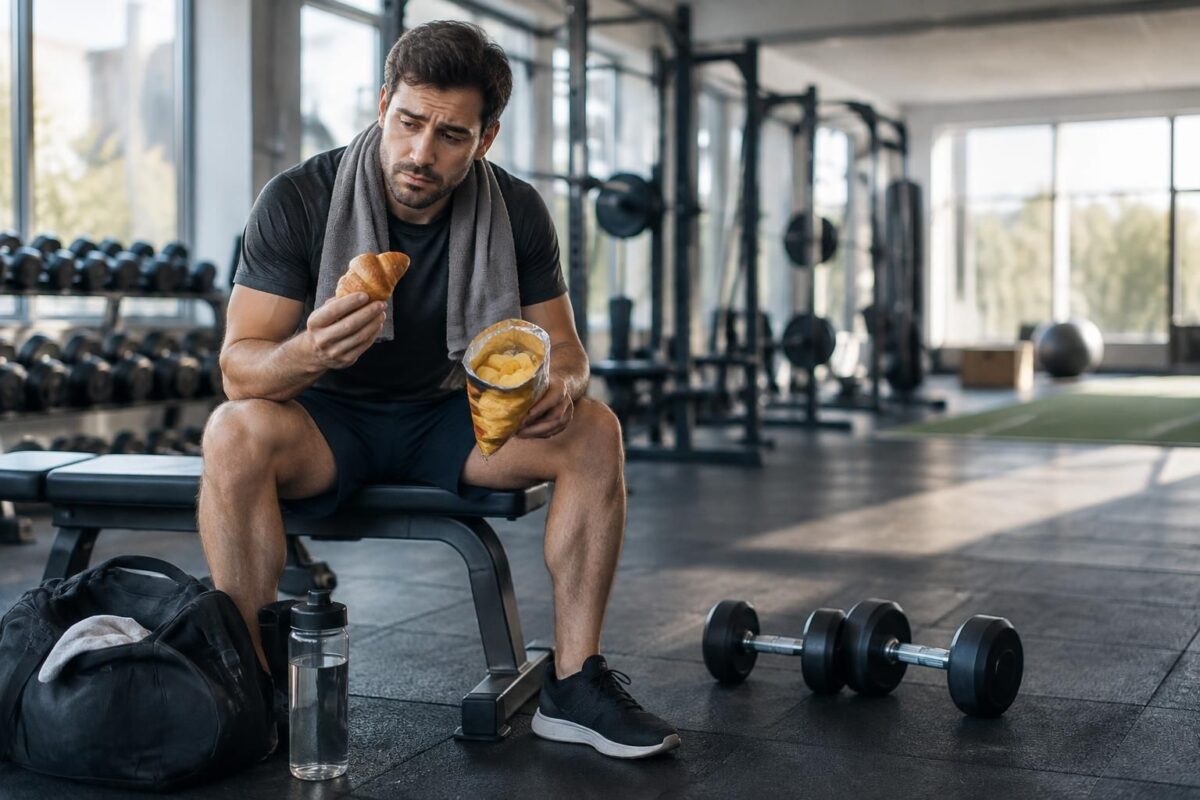
Sports Nutrition: Is a poor pre-workout snack already holding you back?
Hi, it’s Orvane. A snack that’s too heavy, too late, or not right for you can interfere with your digestion and drain your energy during exercise. To avoid this, choose a simple snack, time it around your workout, and drink regularly. A few guidelines are all it takes to make sports nutrition an ally in your performance.
What to do right away
- Check the timing: leave around 2 to 3 hours after a full meal, or choose a small snack 30 to 60 minutes before exercise.
- Choose easy-to-digest carbohydrates: a banana, applesauce, or a slice of white bread may work well.
- Cut back on fat and fiber if you’re eating shortly before your workout.
- Adjust the portion: start small, then pay attention to your comfort and energy levels during exercise.
- Drink in small sips before you start, rather than gulping down a large amount at the last minute.
If you’re looking for a simple idea when you’re low on energy, find out which snack to choose before a workout. To spot the most common pitfalls, also check out these mistakes to avoid before exercising.
The wrong pre-workout snack: the timing trap
A snack can hold you back during a workout if you eat it too close to exercise or it’s difficult to digest. A large, fatty sandwich eaten twenty minutes before a run is more likely to sit heavily in your stomach than a small applesauce eaten at the right time.
Digestion before exercise varies from person to person, depending on how much you’ve eaten and the intensity of the planned workout. A moderate weight-training session and a fast run don’t put the same demands on your body: your comfort is an important guide.
Carbohydrates before exercise: simple and well-portioned
Carbohydrates before exercise help provide fuel, especially if it’s been several hours since your last meal. For a short workout, a snack isn’t always necessary if you’ve eaten enough and feel good.
If you’re training fasted or feel especially hungry, try a small portion that’s easy to tolerate. For example, Lina, who runs after work, could have a banana about 45 minutes before her run rather than a very nut-heavy bar just before heading out.
Pre-workout nutrition: choose based on your workout
Pre-workout nutrition doesn’t need to be complicated. The longer or more demanding the workout, the more useful a suitable intake may be; for a short activity, a well-timed regular meal is often enough.
| Situation | Option to try | Practical guideline |
|---|---|---|
| A little hungry, workout in 30 to 60 minutes | Banana or applesauce | Small portion, easy to digest |
| Meal eaten 2 to 3 hours beforehand | Meal with a starchy food, protein, and vegetables you tolerate | Avoid adding a snack out of habit |
| Long or intense workout | A carbohydrate-rich snack that suits your habits | Test it during training, not on the day of an important event |
| Sensitive stomach | Simple food, low in fat and fiber | Reduce the portion and allow more time |
This table offers guidelines, not a universal rule. Keep track of what you eat, when you eat it, and how you feel: you’ll find it easier to identify what supports your athletic performance without causing discomfort.
Sports hydration and fatigue during training
A snack can’t make up for a lack of fluids. Drink regularly throughout the day, then take a few sips before warming up; your needs vary with the heat, the duration of exercise, and how much you sweat.
Fatigue during training can have several causes: not enough sleep, incomplete recovery, too much time since your last meal, or neglecting hydration. If it keeps happening despite making adjustments, don’t try to address it with sugar alone: review your overall habits and seek advice from a healthcare professional if needed.
A three-step test to find your snack
- Get the timing right: after a full meal, generally allow a few hours; if your workout is coming up soon, have a small snack instead.
- Try a simple food: start with a carbohydrate-rich, low-fat option, such as applesauce or a banana, then see how comfortable you feel.
- Observe and adjust: track your energy, digestion, and thirst over several similar workouts before changing the amount or timing.
Avoid trying a new food before a competition or an important workout. The best balanced snack is one that works for you in practice, not one that seems perfect on paper.
What snack should you have before exercise, based on how you feel?
If you’re hungry and have at least 30 minutes, a small portion of fruit or applesauce can be a good place to start. If you’ve eaten recently and feel good, there’s no need to eat more just for the sake of it.
If your stomach is sensitive, reduce the portion and choose a food you know. If you regularly feel your energy dip, also review the balance of your meals and your recovery: a snack alone can’t fix everything.
How long before exercising should you have a snack?
A small snack is often eaten 30 to 60 minutes before a workout. After a full meal, allow around 2 to 3 hours instead, depending on the amount and your digestive comfort.
What snack should you choose before a workout?
A banana, applesauce, or a slice of bread may work well. Choose a small portion that’s easy to digest and suits your habits.
Should you always eat before training?
No. If you’ve eaten recently and feel good, an extra snack may not be necessary. The duration and intensity of the workout matter too.
What should I do if I get a stomachache during exercise?
At your next workout, try a smaller portion, a food that’s lower in fat and fiber, or leave more time between your snack and exercise.
I hope you found these tips helpful. See you soon! — Orvane