Muscle recovery: breathing and slow recovery, progress at a snail’s pace?
Hello, this is Orvane. Slow breathing can promote calm after exertion, but it isn’t enough to speed up muscle recovery or get stalled progress moving again. If you’re recovering slowly, also look at your training load, sleep, nutrition, and rest days.
Breathing mainly affects relaxation and effort management. It supports rest and recovery, without replacing the fundamentals that support adaptation to training.
Good habits to adopt
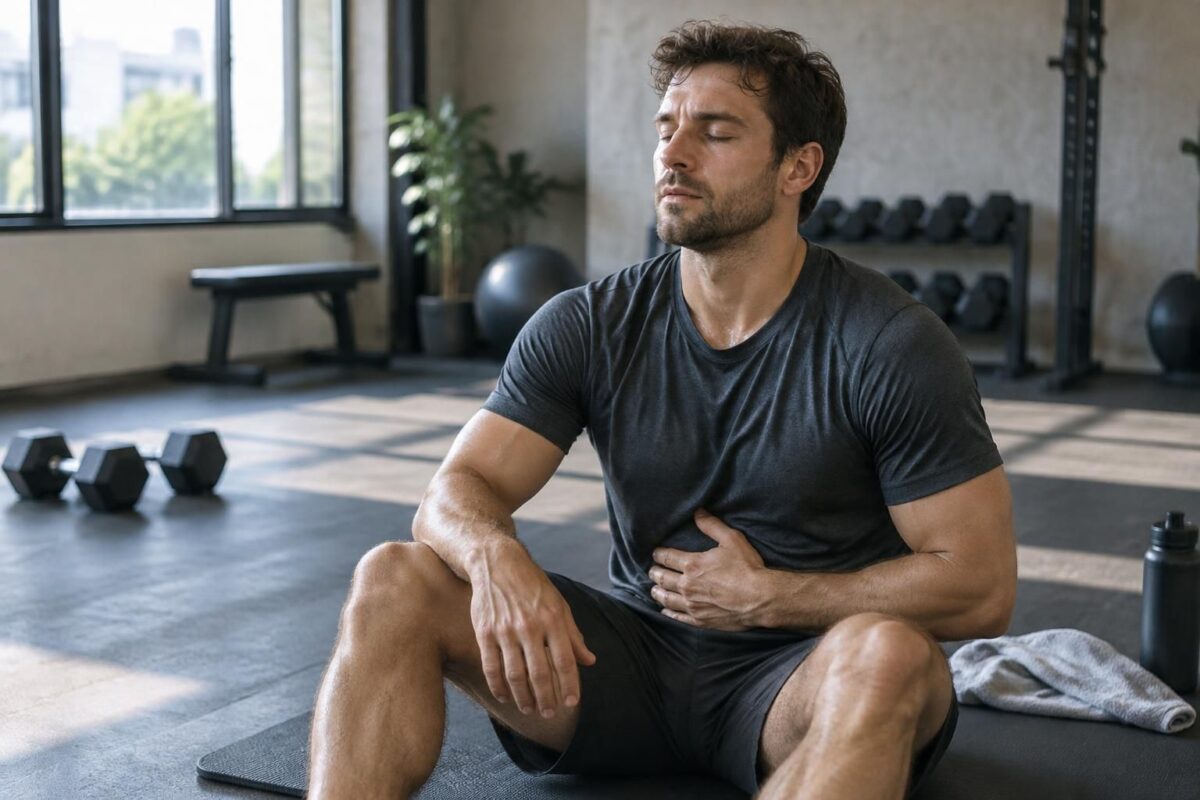
- Slow your breathing for a few minutes after your workout, without forcing it or holding your breath.
- Assess your muscle fatigue and note whether it decreases from one workout to the next.
- Choose gentle active recovery if it feels good: walking or easy cycling.
- Plan for rest after a demanding workout, especially if your performance is declining.
- Check your sleep and nutrition habits before adding even more volume.
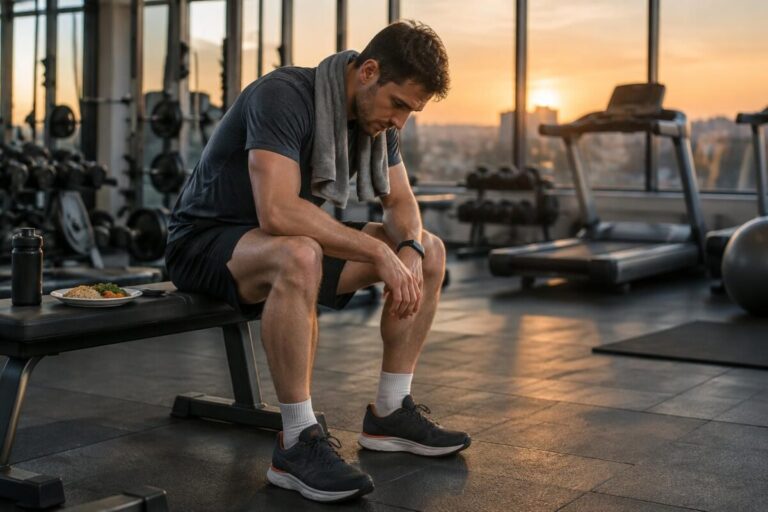
To distinguish temporary fatigue from a problem that’s setting in, you can read these tips on prolonged fatigue after a poor meal and compare the options of active recovery and complete rest.
Slow breathing and muscle recovery: what’s the real effect?
After an intense workout, breathing slowly can help reduce tension and restore a sense of calm. Try breathing in gently, then breathing out for a little longer, for a few minutes.
This practice doesn’t directly “recharge” your muscles. Muscle oxygenation depends on circulation and overall breathing, but tissue repair mainly relies on your habits as a whole and the time you give your body.
The pitfall: expecting breathing to fix everything
A breathing session can’t make up for a series of workouts that are too close together or insufficient sleep. If you have persistent muscle soreness and your weights or energy levels are declining, these signs call for an adjustment rather than a more intense breathing exercise.
Also avoid forced inhales or long breath holds. If you feel dizzy, return to natural breathing and sit down until the feeling passes.
Active recovery or rest: how do you choose?
Active recovery is suitable when you feel tired but can still move comfortably. A walk or easy cycling for 10 to 20 minutes can maintain light activity without adding another difficult workout.
Complete rest is more appropriate if you feel unusual pain, severe fatigue, or a clear drop in your performance. For example, after several days of intense training, a day without exercise may be more useful than adding cardio out of habit.
| What you notice | Preferred option | Practical guideline |
|---|---|---|
| Mild fatigue, easy movement | Active recovery | Gentle activity, 10 to 20 minutes |
| Significant muscle soreness or heavy legs | Rest or very light activity | Reduce the intensity and reassess the next day |
| Sharp or persistent pain | Stop the activity causing it | Seek medical advice if necessary |
These guidelines are not a substitute for a medical assessment. Sharp pain, significant swelling, or unusual weakness are reasons not to continue training as if nothing were wrong.
Stalled progress: three steps to adjust your recovery
A plateau in your athletic progress doesn’t automatically mean you need more slow breathing. It may point to an unevenly distributed workload, insufficient recovery, or a need to adapt your training.
- Monitor things for a week. Note your workouts, sleep, energy levels, and how your muscle soreness changes. A trend is more informative than a single day.
- Reduce what’s making you tired. Temporarily reduce volume or intensity if your performance is declining. Stick to movements that feel comfortable and avoid compensating by adding cardio.
- Build back up gradually. When your energy returns, increase your effort in small steps. Keep slow breathing as a relaxation tool, not a shortcut to repair.
If your fatigue persists despite several lighter days, or comes with unusual symptoms, consult a health professional. The right pace of progression is one you can sustain without accumulating warning signs.
Frequently asked questions about breathing and recovery
Does slow breathing speed up muscle recovery?
It can help you relax after exertion, but it doesn’t directly repair your muscles and doesn’t replace sleep, a suitable diet, or reasonable management of your training load.
How long should you practice slow breathing after exercise?
You can start with a few minutes, breathing comfortably and without holding your breath. Stop or return to natural breathing if you feel dizzy.
Should you choose complete rest or active recovery?
Very gentle activity may be suitable in cases of mild fatigue. Prioritize rest if you’re very tired, your performance is declining, or a movement causes pain.
Does a performance plateau necessarily indicate insufficient recovery?
Not necessarily. Your training plan, diet, sleep, and stress can also play a role. Track your performance and fatigue before changing your training.
I hope you found these tips helpful. See you soon! — Orvane