Muscle recovery: How can you speed up recovery after exercise?
Hello, Orvane here.
To speed up your muscle recovery, focus on restorative sleep, regular hydration, and a suitable diet, then adjust your rest according to the intensity of your workout.
Recovery starts as soon as you finish exercising, but also continues over the hours that follow. A few simple steps can help you feel good again without looking for a miracle shortcut.
What to do right away
- Drink according to your thirst and keep hydrating over the following hours, especially after a hot workout or one that made you sweat a lot.
- Have a balanced meal with protein after exercise and a source of carbohydrates to support the replenishment of your reserves.
- Make time to rest after exercise: avoid going straight into another intense workout.
- Try active recovery, such as 10 to 20 minutes of walking or very easy cycling, if you feel up to it.
- Protect your sleep: restorative sleep contributes to recovery just as much as the steps you take after training.
Drinking is essential, but it’s not everything: find out why in this article on hydration after exercise, then compare active recovery with complete rest using this guide on choosing between gentle movement and rest.
A common mistake: thinking one thing is enough
A large glass of water, vigorous stretching, or a muscle massage won’t make up for a night that’s too short and an inadequate meal. Recovery is more of a combined effort: each habit contributes without replacing the others.
Stretching can help you regain a sense of mobility, but it won’t necessarily make muscle soreness disappear. Keep it gentle and stop if a movement causes sharp pain.
Sports nutrition and protein after exercise
After a demanding workout, a meal or snack containing protein and carbohydrates is a practical choice. For many athletes, around 20 to 40 g of protein in one serving is enough; exact needs depend in particular on body weight, activity, and daily diet.
For example, after a bike ride, you could pair a high-protein yogurt with fruit and cereal. There’s no need to rush to eat within a few minutes: what matters is eating enough over the course of the day.
Hydration and preventing muscle soreness
Drink regularly, especially if you’ve sweated a lot. After a long workout or one done in hot conditions, a drink and a meal that also provide electrolytes may be helpful; adjust the amounts to your thirst and the amount you’ve lost.
Muscle soreness is often linked to an unfamiliar effort or progressing too quickly. Gradually increasing your training load, warming up appropriately, and having less intense days can help prevent muscle soreness, although they can’t prevent it every time.
Rest after exercise or active recovery: how do you choose?
| Situation | Option to prioritize | Practical guideline |
|---|---|---|
| General fatigue or unusual pain | Rest and monitor how you feel | Avoid intense exercise while symptoms persist. |
| Slightly heavy legs, with no sharp pain | Gentle active recovery | 10 to 20 minutes of walking or easy pedaling. |
| Demanding workout completed, feeling normal overall | Food, hydration, and sleep | Resume training based on how you feel. |
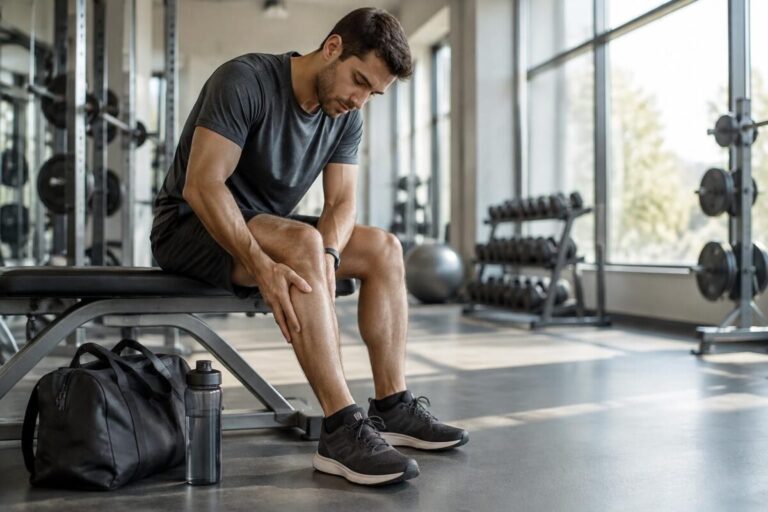
Imagine Lina finishing an interval workout with heavy legs but no specific pain. A leisurely walk might suit her; if she feels pain that worsens or changes the way she walks, it’s best to stop and seek advice from a healthcare professional.
Stretching and muscle massage: keep it moderate
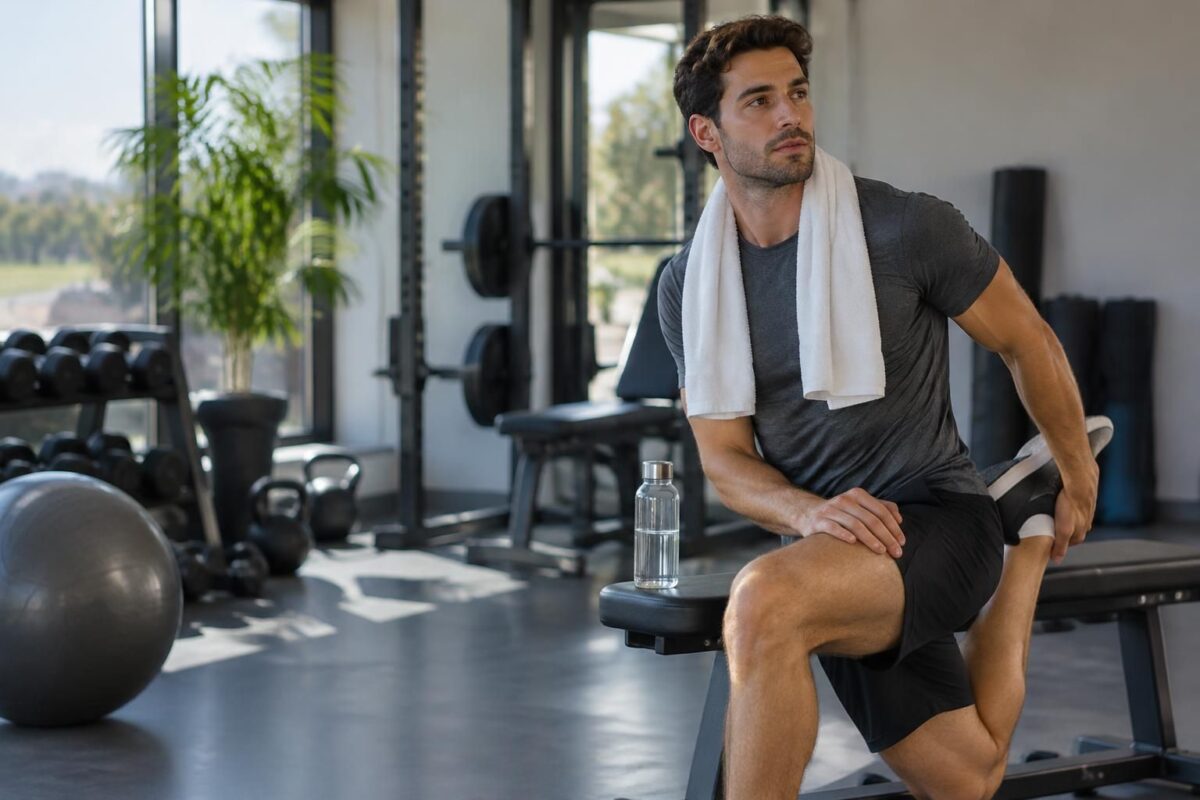
Mobility exercises or gentle stretching can feel comfortable after exercise. Avoid putting strain on a sensitive muscle: pulling harder doesn’t necessarily speed up its repair.
A gentle muscle massage may also help release the tension you’re feeling. Choose comfortable pressure and don’t massage an area that is very painful, swollen, or injured.
A 3-step routine for better recovery
- Right after your workout: gradually slow down, then drink according to your thirst. If you’re exhausted, choose rest and quiet over additional activity.
- Over the following hours: have a complete meal with protein and carbohydrates, then choose rest or gentle movement based on how you feel.
- In the evening and the next day: aim for enough sleep, often around 7 to 9 hours for adults, and resume activity gradually if your energy returns.
Persistent fatigue, intense pain, or an unusual drop in performance deserves more attention than a simple change to your routine. The best strategy is the one that respects your body’s signals and lets you make steady progress.
Frequently asked questions about muscle recovery
How long does it take to recover after exercise?
It depends on the intensity of the workout, your training, and your overall condition. Mild fatigue may fade quickly, while a very demanding workout may require a day or more before your next intense effort.
Does stretching prevent muscle soreness?
Gentle stretching can improve your sense of mobility, but it does not reliably prevent muscle soreness. Avoid forcing stretches on a sore muscle.
Should you always have protein after exercise?
Having protein after a workout can contribute to your daily needs, but the most important thing is to consume enough throughout the day as part of a balanced diet.
When should you seek medical advice for pain after exercise?
Seek medical advice if the pain is sharp, gets worse, comes with significant swelling, or prevents you from moving normally. Persistent fatigue should also be evaluated.
I hope you found these tips helpful. See you soon! — Orvane