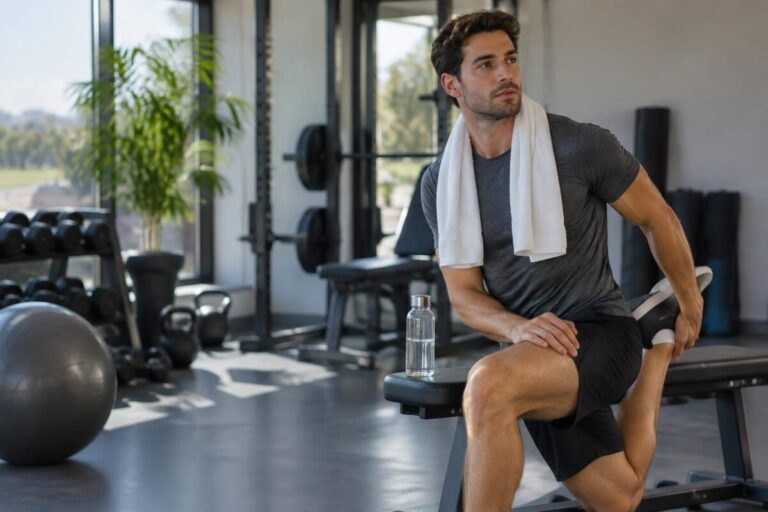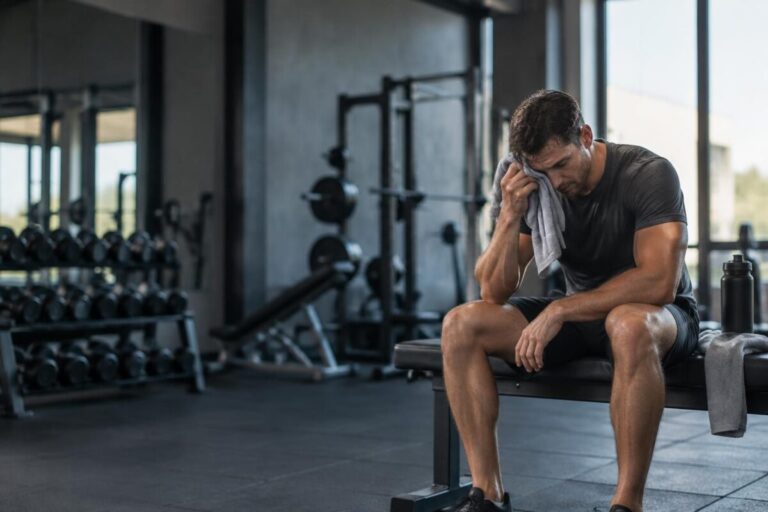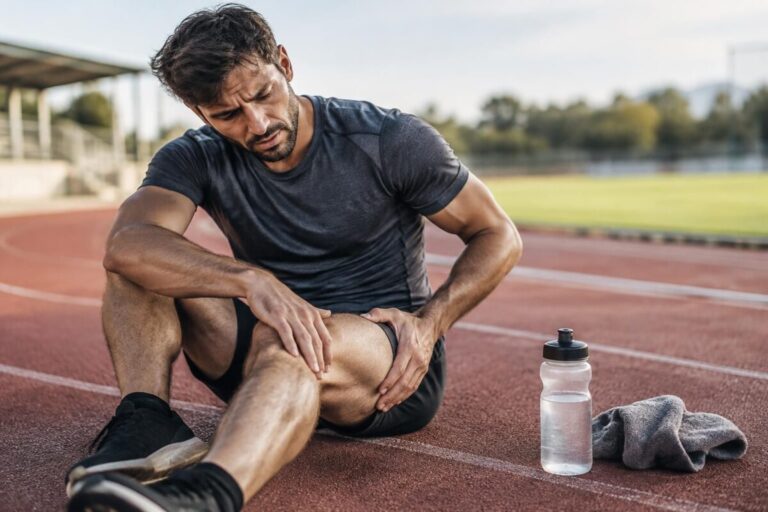
Muscle recovery: after exercise, is drinking enough?
Hello, this is Orvane. Drinking after exercise helps you recover, but water alone isn’t always enough: it all depends on how long you exercise, how much you sweat, and when you’ll eat next.
A short, moderate workout followed by a balanced meal generally doesn’t call for a special drink. After a long session, exercising in hot weather, or a strenuous workout, rehydration may also require sodium, carbohydrates, and protein.
Muscle recovery depends on several factors: hydration, nutrition, and rest. Here’s how to choose what you need without turning every workout into a complicated calculation.
Good habits to adopt
- Drink according to your thirst after a regular workout, without forcing yourself to gulp down a large amount at once.
- Add electrolytes if your workout was long, the weather was hot, or you sweated a lot.
- Have a meal or snack containing protein to support muscle repair.
- Include carbohydrates after a demanding workout or if you need to train again soon.
- Drink gradually over the following hours rather than trying to make up for all your losses immediately.
To adapt these tips to your training, you can also check out this guide to recovery after a workout and these tips for avoiding common mistakes after exercise.
Is drinking enough for muscle recovery after exercise?
Sometimes, yes. After a short or low-intensity workout, water and a meal within the following few hours are often enough to meet your needs. A recovery drink isn’t essential if you can eat and drink normally.
The situation changes after a long workout, exercising in hot weather, or sweating heavily. You then need to replace more fluid and sodium, while carbohydrates and protein help replenish energy stores and support recovery after exercise.
The type of exercise affects your choice of drink
After a typical strength-training workout, water followed by a meal with a source of protein may be enough. By contrast, a long run or bike ride can result in greater fluid and mineral losses.
Muscle fatigue can’t be fixed with a drink alone: the energy you consume, rest, and sleep matter too. In sports nutrition, the best choice is the one that meets your actual needs, not the one that makes the biggest promises.
| Situation | Practical option | Keep in mind |
|---|---|---|
| Short workout, moderate temperature | Water and your usual meal | A specialty drink is rarely necessary. |
| Long workout or heavy sweating | Water with sodium or an electrolyte drink | Drink gradually and pair rehydration with food. |
| Meal is a while away after a demanding workout | A snack with protein and carbohydrates | Chocolate milk or a fortified drink can be a convenient option. |
| Endurance session with another workout coming up soon | A drink and snack suited to the workout | Your carbohydrate needs depend on the duration and intensity. |
Electrolytes and rehydration after heavy sweating
Sweat contains water and sodium, but losses vary widely from person to person. After a hot or prolonged workout, a drink providing around 500 to 700 mg of sodium per liter may help with rehydration, especially if your losses were substantial.
After a regular workout, there’s no need to routinely add salt or take supplements. Potassium and magnesium support normal bodily functions, but taking them doesn’t guarantee you’ll avoid cramps: cramps can have several causes.
A simple way to gauge your needs after a run
Weighing yourself before and after a run can give you a rough estimate of your losses. A drop of one kilogram often corresponds to about one liter of fluid lost, but weight can fluctuate for other reasons too, so this is a guideline, not a diagnosis.
If your loss is significant, drinking around 1.25 to 1.5 liters per kilogram lost, spread over several hours and alongside food or sodium, can help replace fluids. However, avoid drinking large amounts of water quickly: after prolonged endurance exercise, too much water without sodium can also disrupt your blood sodium levels.
Recovery drink: water, chocolate milk, or sports drink?
A sports drink can provide water, sodium, and carbohydrates, making it a convenient option after a long workout. For a less demanding session, water alongside a meal is often just as good.
Chocolate milk provides carbohydrates and protein, which can be useful when your meal is delayed. If lactose bothers you, choose a protein-fortified alternative: not all plant-based drinks contain enough protein.
A homemade drink can also work after heavy sweating: water, a little juice or honey for carbohydrates, and a small pinch of salt. Its composition is less standardized than that of a sports drink; adjust it to the length of your workout and your digestive tolerance.
Herbal tea or warm water also helps you hydrate. It can be pleasant after a workout in cold weather, but it doesn’t replace electrolytes or energy when those are needed.
A three-step approach to recovering well after exercise
- Assess your workout. After a short, moderate effort, simply start by drinking water. After a long session, exercising in hot weather, or sweating heavily, consider sodium too.
- Choose a suitable snack or meal. If your meal is coming up soon, eat as usual. If it’s a while away after a demanding workout, aim for around 15 to 25 g of protein and a serving of carbohydrates, depending on your needs.
- Recover without rushing. Drink in small amounts, eat enough, and give yourself time to rest. It’s the combination of these habits that supports muscle repair.
After a competition, alcohol isn’t a rehydration drink: it doesn’t provide the sodium you need and can disrupt sleep, especially in large amounts. If you choose to drink, rehydrate first and have a meal; this doesn’t eliminate its potential effects on recovery.
Frequently asked questions about drinks after exercise
Is water enough after a strength-training workout?
Often, yes, if it was a regular workout and you have a balanced meal within the following few hours. An electrolyte drink may be useful if you sweated a lot or the workout was long.
Do you need to drink a protein shake immediately after working out?
No. A protein drink is convenient if your meal is a while away, but a meal containing protein can also support recovery. Your total intake over the day matters more than getting the timing exactly right.
Can coconut water replace a sports drink?
It provides water and potassium, but often less sodium than a drink designed to replenish losses from heavy sweating. After a long or very hot workout, consider your sodium and carbohydrate needs.
Does drinking a lot help prevent cramps?
Not necessarily. Cramps can depend on several factors, including fatigue and exercise intensity. Drink according to your losses and thirst, without trying to prevent cramps by consuming large amounts of water.
Thanks for reading! Feel free to share your thoughts in the comments. — Orvane