Sports supplements: fruit, yogurt, or nothing before a workout?
Hello, it’s Orvane. Before exercise, choose mainly based on how much time you have and how hungry you are: an easy-to-digest fruit close to your workout, yogurt with carbohydrates if you have more time, or no snack if a recent meal is enough. There is no single best snack for everyone.
Sports nutrition before exercise directly affects your performance and recovery, and especially how you feel during your workout. Not all athletes tolerate eating before exercising: some prefer to work out fasted, while others need a small snack to boost their energy. Here are the keys to making the right choice based on your schedule and the type of exercise. Paying close attention to your pre-workout nutrition is a real success factor. Start doing this now: tailor your food intake to the duration and intensity of your workout, choose foods that digest quickly, stay hydrated regularly, avoid heavy excesses, and test how you feel in practice.
The guidelines from Australian sports dietitians favor familiar, easy-to-digest foods suited to the time available. A main meal is often eaten two to four hours beforehand; a small snack can top it up closer to your workout.
Why choose fruit before a workout? Carbohydrates to try
A ripe banana or a small serving of applesauce can provide carbohydrates in a convenient form. An apple or dried fruit works for some athletes, but the fiber may bother others. No fruit can guarantee that you won’t get cramps.
For example, if you’re going for a run in thirty minutes after eating lunch a while ago, try a small portion you already know you tolerate well rather than a big bowl of muesli. Then note how comfortable and energetic you feel, without trying anything new on competition day.
If your workout is short, a snack may be optional
If you’ve eaten recently and aren’t hungry, a short workout doesn’t automatically require an extra snack.
If your workout is long or intense, plan your fuel
Fruit alone may not be enough for prolonged exercise. Plan your nutrition before and, if necessary, during your workout with a sports or nutrition professional.
Yogurt before a workout: a light source of protein to choose carefully
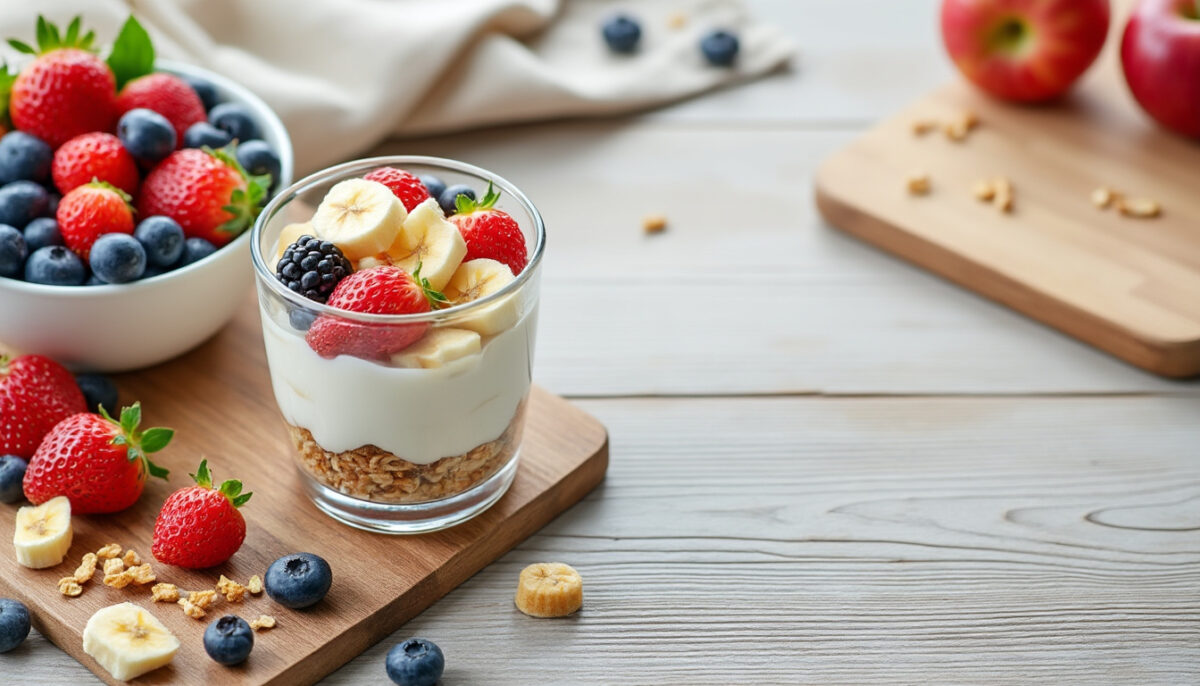
Yogurt can be part of a snack with fruit or cereal. It provides protein, but its carbohydrate and fat content, as well as how well you tolerate it, can vary. A product very high in protein or fat isn’t necessarily ideal right before a run.
Compare labels: a plant-based dessert doesn’t always contain as much protein as dairy yogurt, and the organic label doesn’t predict how easily it will digest. If you have an intolerance, choose an option you already tolerate; a milk protein allergy is a different condition.
Sports supplements and a light meal: when should you eat nothing before a workout?
Having nothing extra can work if you feel good and a previous meal meets your needs. Exercising fasted isn’t right for everyone, especially for a long or intense workout. A ginger shot doesn’t replace an energy source.
In that case, the important thing is to optimize your food intake after exercise, aiming for good rehydration and a source of protein for muscle recovery.
A personalized routine
Everyone’s metabolism is different; the key is to test your diet and listen to your body. For a long time, some endurance athletes ran fasted without any notable loss in performance, while others need a little something to maintain their intensity.
Practical recap: 3 steps to effective pre-workout nutrition
- Step 1: Choose the size of your meal based on when your workout is (a full meal 2-3 hours beforehand, a light snack 1-2 hours beforehand, a quick snack 30 minutes beforehand).
- Step 2: Close to your workout, opt for a small, easy-to-digest portion; save a more substantial bowl for when you have more time.
- Step 3: Stay hydrated regularly, and avoid foods that are too high in fat or fiber to make digestion easier.
Top foods to choose vs. foods to avoid before a workout
| Recommended foods | Foods to avoid |
|---|---|
| Banana, apple, dates – quick-digesting carbohydrates, potassium | Burgers, fried foods – too fatty, hard to digest |
| Yogurt you tolerate – protein content varies by product | Large portions of pastries or chocolate – often fatty and hard to digest |
| Oats – sustained energy | Raw vegetables, legumes – fiber can be uncomfortable before exercise |
| Rice cakes or bread – choose according to how well you tolerate fiber | Carbonated drinks, sodas – bloating and acidity |
| Water – drink gradually according to your needs | Processed ready meals – too salty, low in nutrients |
Essential FAQ about eating before exercise
Should you eat right before a workout?
It depends on the type and duration of your workout. A light snack 30 minutes beforehand, such as a piece of fruit, may be enough. For prolonged exercise, a meal 2 to 3 hours beforehand is more suitable.
Is yogurt before a workout suitable for everyone?
No. Tolerance depends on the product and the person. A plant-based dessert may provide little protein; check the label and distinguish between lactose intolerance and a milk allergy.
What should I do if I prefer not to eat anything before a workout?
Stay well hydrated and make sure you eat well after exercise to support recovery. This may work for short workouts or fasted training.
Why avoid fatty foods before exercise?
They slow digestion, which can cause heaviness and reduce your performance.
Are sports supplements necessary before a workout?
Not always. They can be useful depending on your goal and the type of exercise. Ask a professional for advice before adding them.
Thank you for your interest; Orvane