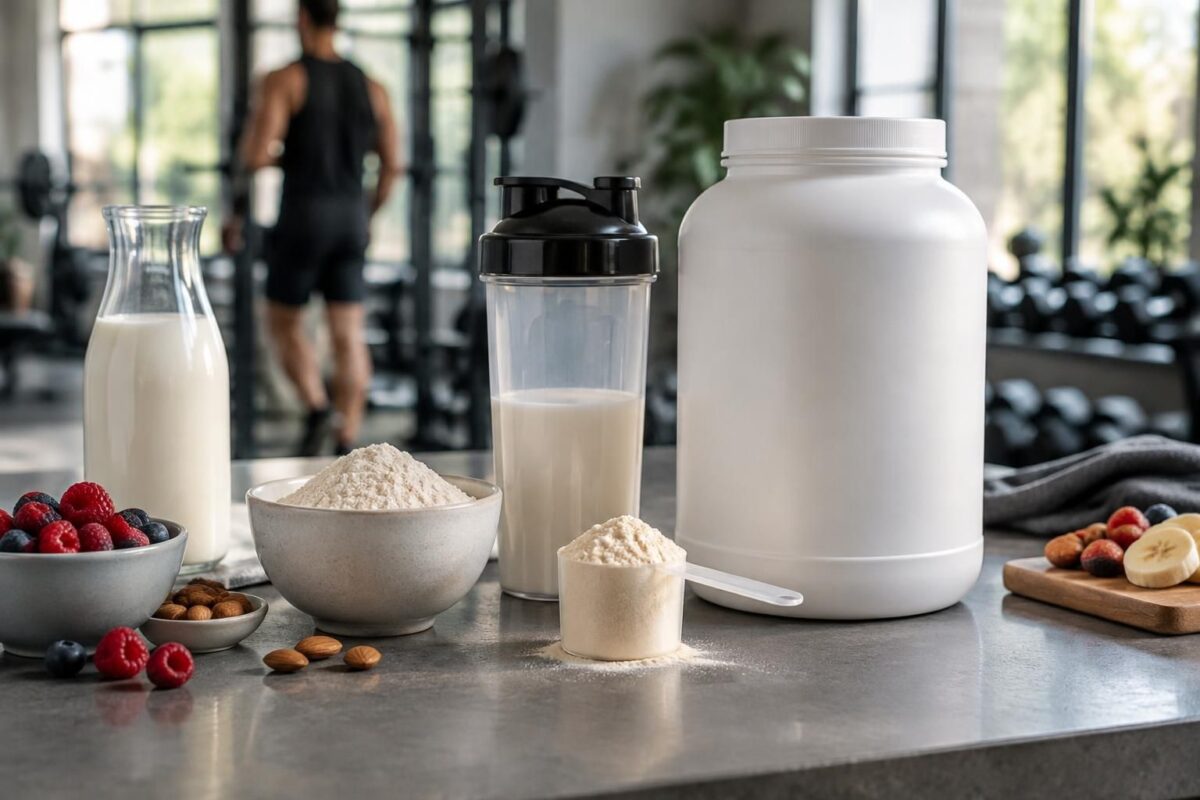
Sports Supplements: 10 Tips for Spotting a Good Whey Protein
Hello, Orvane here. You can spot a good whey by its transparent ingredients, verifiable protein content, and how well you tolerate it—not by its price or packaging.
Concentrate, isolate, or native formula: the choice depends on your needs, diet, and digestion. Here are ten simple criteria for comparing products without being swayed by marketing claims.
Good habits to adopt
- Compare the protein content per 100 g and per serving.
- Check the ingredient list and look for a genuine absence of unnecessary additives.
- Choose the type of whey according to your lactose tolerance.
- Check the origin of the milk, the place of manufacture, and traceability.
- Calculate the price per gram of protein, not just the price of the tub.
To complete these checks, you can consult this guide on whey and digestion, then compare the criteria presented in this guide to whey products suited to beginners.
10 tips for spotting a good whey protein
Two products can make similar claims yet differ in their formula, manufacturing process, and digestibility. To avoid buying at random, examine the label point by point.
- Check the protein content per 100 g. Whey concentrate often contains around 70 to 80% protein, while whey isolate typically has a higher proportion, often around 85 to 92%. Values vary by recipe, so also compare the actual amount provided per serving.
- Check what a serving provides. A 30 g serving containing around 22 to 25 g of protein can be a useful guide. The scoop provided in the tub does not always correspond to a standard serving.
- Examine the ingredient list. A short formula is easier to understand. Flavors, lecithin, or sweeteners do not automatically make a product bad, but it’s best to know what you’re consuming and look out for added sugars.
- Check the amino acid profile. Whey provides essential amino acids, including leucine. Some labels state the amounts; this is a sign of transparency, but one figure alone is not enough to judge overall quality.
- Choose according to your sensitivity to lactose. Whey concentrate generally contains more lactose than isolate. If you have trouble digesting it, check the stated amount or try a low-lactose formula. Persistent discomfort warrants professional advice.
- Don’t confuse “native” with an absolute guarantee. The term generally describes a protein derived directly from milk, but on its own it does not prove greater effectiveness. The process, composition, and quality controls still need to be examined.
- Look for verifiable information. Milk origin, manufacturing site, analyses, or quality certification: a reputable brand provides specific details rather than vague claims such as “premium quality.”
- Compare carbohydrates and fats. Unflavored whey or whey with few added flavors may contain little of either, but the figures depend on the recipe. Check the amounts per serving and choose based on your diet, not some magic threshold.
- Calculate the real cost. Divide the price by the total amount of protein in the tub. A cheaper container may end up costing more once the actual protein content is taken into account.
- Test the flavor and mixability. A powder that doesn’t mix well or that you don’t like will probably end up at the back of the cupboard. If possible, start with a small size before buying a large bag.
Whey concentrate or isolate: what’s the difference day to day?
Whey concentrate is often more affordable and may suit you if you tolerate lactose well and simply want to supplement your intake. Whey isolate is generally more concentrated in protein and lower in lactose, which may be useful depending on your digestive or nutritional needs.
For example, Samir trains three times a week and digests dairy products without difficulty: concentrate may meet his needs without paying extra for a more heavily filtered formula. If he experiences discomfort, he can compare the ingredients and try an isolate, without assuming that switching powders will resolve every digestive issue.
A label to compare before you buy
| Criterion | Useful guideline | Keep in mind |
|---|---|---|
| Protein content | Compare grams per 100 g and per serving | Values vary depending on the type and flavor |
| Ingredients | Easy-to-understand list and a suitable formula | An ingredient is not automatically a problem |
| Lactose | Check the label, especially if you’re sensitive | Isolate often contains less than concentrate |
| Ingredient quality | Clearly stated origin and composition | Marketing is no substitute for verifiable data |
| Quality certification | Quality control or analysis explained by the brand | Check what the certification actually covers |
| Price | Calculate the cost per gram of protein | Price per kilo of powder can be misleading |
Choose a whey that suits your sporting goal
When bulking, a supplement can help you meet your protein needs, but it does not replace an appropriate calorie surplus or progressive training. During weight loss, a more concentrated formula can make it easier to manage calories, as long as it meets your needs.
For recovery, the key factor remains your total daily protein intake, alongside adequate meals and rest. Whey is convenient after a workout, but there is no window of just a few minutes that cancels out the benefits of taking it later.
Three steps to choosing wisely
- Define your needs. First check whether your meals already cover your intake; a supplement is there to fill a practical gap, not replace a varied diet.
- Compare two or three labels. Compare the protein content, lactose, ingredients, traceability, and cost per gram of protein side by side.
- Try it gradually. Start with a moderate serving, monitor how well you digest it, and switch products if you experience discomfort. Assess its usefulness over several weeks alongside your diet and training, not after a single workout.
A powder does not burn fat or build muscle on its own. Whey can make it easier to get enough protein, but progress mainly depends on consistent training, a balanced diet, and sufficient recovery.
Frequently asked questions about whey protein
How much whey should I take per serving?
A serving often contains around 20 to 30 g of powder, depending on the product and your needs. Check the actual grams of protein on the label and take into account what you already eat.
Is whey isolate always better than concentrate?
No. Isolate is generally higher in protein and lower in lactose, while concentrate may be more economical. The choice depends on your tolerance, the composition you’re looking for, and your budget.
When should I take whey after exercise?
You can have it after training if that’s convenient, but the exact timing matters less than the quality of your protein intake over the course of the day.
How can I tell if a whey product suits me?
Pay attention to digestion, taste, and ease of use, then check that the product genuinely complements your meals. If symptoms persist or you suspect an allergy, seek advice from a healthcare professional.
Thanks for reading! If this topic resonates with you, feel free to leave me a comment at the bottom of the article. — Orvane