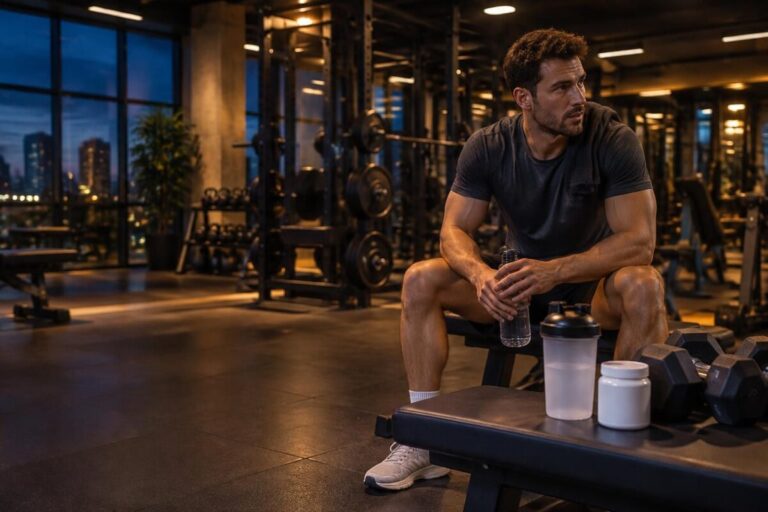
Sports performance: insufficient recovery, guaranteed plateau?
Hello, it’s Orvane. Yes, inadequate sports recovery can hold back your progress: focus on sleep, refueling, and rest suited to the effort. Fatigue can disappear before your muscles have fully regained their capacity, sometimes in around 48 hours, depending on the session and the person. To support your athletic performance, recover as consistently as you train.
Things to do right now
Start with these simple habits: they lay the foundations for rest and recovery and reduce the risk of your performance stalling. For more information, see this practical guide to recovery after exercise and these guidelines on active and passive recovery.
- After an intense session, drink gradually and replace significant losses, especially in hot weather.
- In the hours that follow, have a meal containing carbohydrates and a source of protein.
- Aim for a full night’s sleep; sleeping less than six hours after strenuous exercise can hinder recovery.
- Choose a walk or a very easy bike ride if it helps you relax, not if it makes you tired.
- Reduce or postpone your training if soreness, fatigue, or a drop in performance persists.
Insufficient recovery: why performance plateaus
After exertion, the body replenishes its reserves, repairs stressed tissues, and restores its balance. If sessions are scheduled back-to-back without enough rest, muscle fatigue builds up and training quality can suffer.
How tired you feel is not always a good indicator: the feeling may fade even though your muscles have not yet recovered. On average, they may need around 48 hours to fully regain their capacity after strenuous exercise, with variations depending on intensity, fitness level, and sleep.
Sleep is particularly important. Some data link less than six hours of sleep after intense training to a notable increase in injury risk, sometimes estimated at around 70% in specific contexts. This figure does not predict any one person’s risk, but it highlights the importance of injury prevention.
Signs that it’s time to take a break
Heavy legs when you wake up, repeated drops in performance, or unrefreshing sleep may indicate that your training load exceeds your recovery capacity. Persistent pain or unusual irritability also deserves your attention.
A common anecdote: a runner adds a session because their muscle soreness has disappeared, then finds that their easy pace takes more effort. Sometimes the body sends its signals during the warm-up, before the session has even begun.
Recovery after exercise: active or passive?
Active recovery can help reduce stiffness after a regular session. An easy walk, gentle bike ride, or light mobility work: keep the intensity low enough that you can talk without getting out of breath. If the activity becomes difficult, it adds stress instead of easing the load.
Complete rest also has its place after an all-out competition, several intense days, or when you’re in pain. There is no single method: the right choice depends on how you feel and what you have coming up.
“If it’s tiring, it’s not active recovery.” This simple rule helps you avoid turning an easy session into an extra workout.
For most athletes, a short period of light activity may be enough after a demanding session; the next day, a 15- to 30-minute walk may be suitable, depending on the circumstances. These durations are not requirements: stop if you start to feel worse.
Two situations, two responses
If you’ve done a moderate session and feel good, choose a few minutes of walking or easy cycling. If you’ve just finished a competition, have been doing several intense sessions, or are experiencing pain, prioritize rest and seek advice from a professional if the problem persists.
| Situation | Recovery option | Simple guideline |
|---|---|---|
| Demanding session, slight fatigue | Active recovery | 10 to 20 minutes at an easy pace |
| Maximum effort or accumulated fatigue | Passive rest | Sleep, meals, and a lighter day |
| Unusual or persistent pain | Rest and appropriate advice | Don’t put strain on the painful area |
Three steps to recover better and make progress
Step 1: Replenish your reserves. Drink according to your thirst and the fluid lost during your session. After a long effort or one performed in hot conditions, an electrolyte drink may be useful; it isn’t necessary after every workout.
Step 2: Eat a complete meal. Pair a source of carbohydrates, such as rice, bread, or potatoes, with protein, such as eggs, yogurt, or legumes. Chocolate milk can be a convenient option, but a varied diet remains the foundation.
Step 3: Adjust your next session. If you’re still very tired, reduce the intensity or take a day off. Massage, foam rolling, and gentle stretching can improve comfort, but they don’t replace sleep or, on their own, make up for insufficient recovery.
Habits that support athletic performance
Sleep, nutrition, and hydration often matter more than choosing between active and passive recovery. Supplements can’t make up for an overly demanding routine: it’s better to check your meals and rest before adding them.
Mild muscle soreness after an unfamiliar effort is common. However, a prolonged drop in performance, sharp pain, or disrupted sleep are reasons to ease up on training. If these signs persist, a health professional can help rule out an injury or overtraining.
Optimizing performance doesn’t rely on one isolated trick, but on consistent habits repeated over the weeks. Recovering well means giving your body time to turn effort into progress.
Frequently asked questions about sports recovery
How long does it take to recover after an intense session?
It varies depending on the effort, fitness level, and sleep. Muscles may need around 48 hours after a demanding session, but this guideline does not apply to everyone.
Is active recovery always preferable to rest?
No. A walk or very easy bike ride can help after a regular session, while rest is often more suitable after an all-out competition, accumulated fatigue, or pain.
What should you eat after exercise to recover better?
Choose a meal combining carbohydrates and protein, and stay appropriately hydrated. Everyday foods are generally sufficient; supplements are not essential for everyone.
When should you be concerned about insufficient recovery?
Persistent fatigue, repeated drops in performance, disrupted sleep, or ongoing pain are signs to take into account. Ease up on training and seek advice if symptoms persist or worsen.
Thank you for your interest; Orvane