Muscle recovery: how to recover well after a workout
Hi, it’s Orvane. To recover well, rehydrate, eat carbohydrates and protein, get enough sleep, and adjust your next workout to how tired you feel. Muscle recovery is built mainly on these simple habits, not on a miracle method. A few well-chosen steps can also help limit muscle soreness and help you get back to training feeling better.
What to do right now
- Drink regularly after exercise, without forcing yourself to gulp down a large amount all at once.
- Plan a meal or snack containing carbohydrates and protein in the hours that follow.
- Make time for a restful night’s sleep and take it easy the day after a very intense workout.
- Choose gentle active recovery if you feel up to it: walking or easy cycling.
- Make a note of your fatigue level, any pain, and the quality of your sleep before your next workout.
To tailor these steps to your muscle soreness, also find advice on post-exercise muscle soreness and on ways to support recovery.
Muscle recovery: what happens after exercise
A workout puts demands on your muscles, but also on your energy stores and several bodily functions. Rest after exercise allows your body to repair tissues, replenish its stores, and gradually return to balance.
The time needed varies depending on the intensity, type of exercise, your experience, and your sleep. After a demanding effort, it can sometimes take 24 to 48 hours or longer to feel back to normal, depending on the situation. Accumulating fatigue or a drop in performance are signs to take seriously.
“Recovery is part of training.” Without it, workouts continue one after another, but progress may slow. The best approach is to adjust the training load rather than push yourself at all costs.
Hydration and sports nutrition to refuel
Sweating causes water loss, which varies with the duration of your effort, the heat, and how much you sweat. Drink regularly before and after your workout, then continue according to your thirst. After a typical workout, water is often enough; a sports drink may be useful during a long effort or in very hot weather.
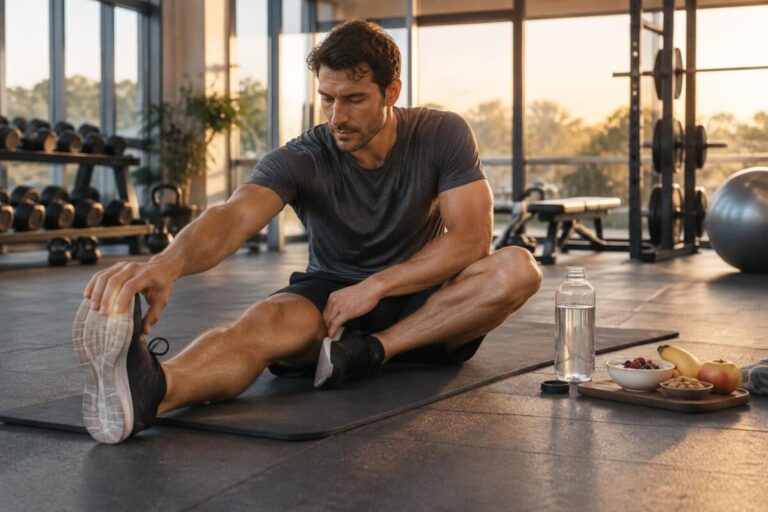
In the hours that follow, combine protein and carbohydrates. Yogurt with fruit, a tuna sandwich, or a meal of rice, vegetables, and eggs are simple options. A varied diet generally meets your needs: supplements are no substitute for a suitable meal or a good night’s sleep.
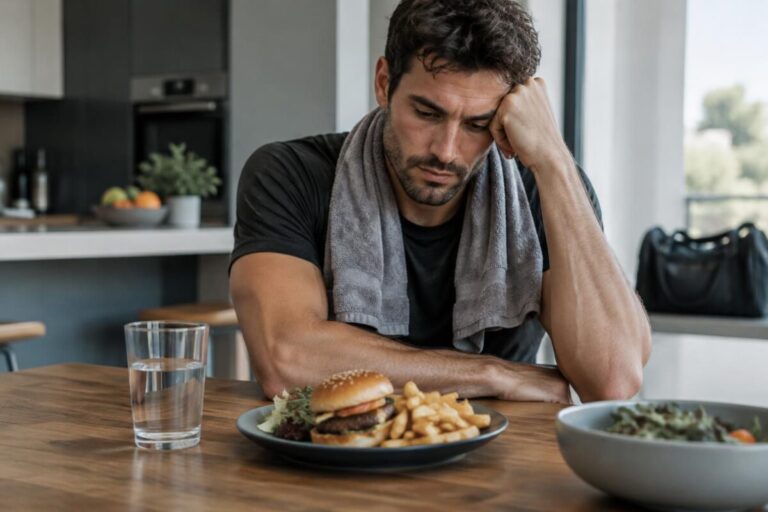
A little anecdote: after a leg workout, Lina used to have only a coffee and put off eating. By adding a glass of water and a yogurt with a banana, she found her post-workout routine easier to stick to.
Restful sleep and rest after exercise
Sleep supports tissue repair and the restoration of energy. Aim for a duration that suits your needs; many adults need around 7 to 9 hours, and periods of intensive training may call for more.
Keep a regular schedule, limit screen use before bed, and avoid an intense workout just before going to sleep if it keeps you awake. A short daytime nap can help, as long as it doesn’t disrupt your nighttime sleep.
If you have several poor nights in a row or your motivation drops, temporarily reduce your training load. Rest is not time wasted: it prepares you for your next workout.
Active recovery, massage, and stretching
An easy walk or a few minutes of gentle cycling can help you stay active without adding a significant training load. Keep the intensity very low: you should be able to talk without getting out of breath. If you’re very tired, complete rest is still a valid option.
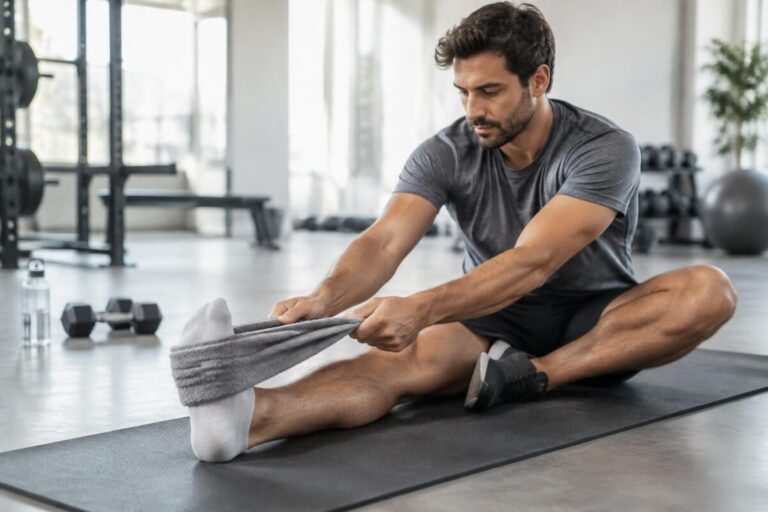
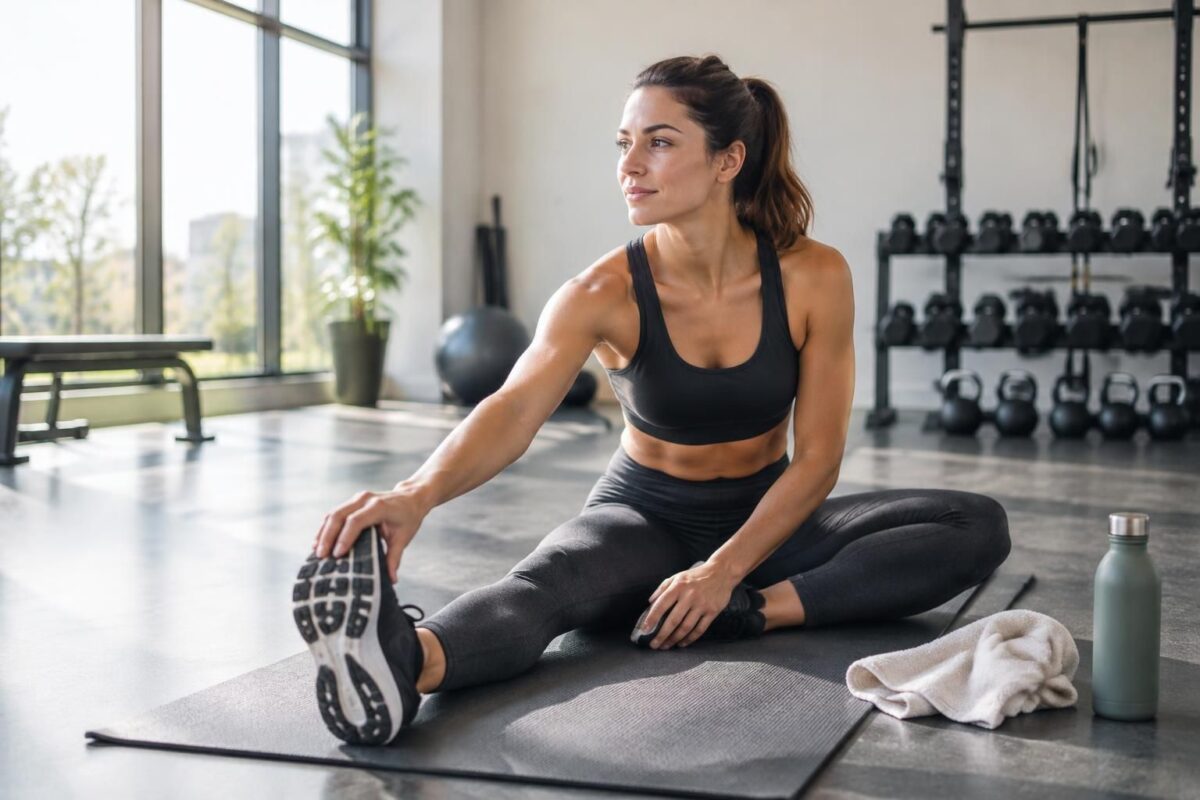
A gentle massage can improve comfort and temporarily reduce the feeling of stiffness. Stretching can also help you relax, but it does not guarantee faster recovery; never force a painful muscle.
If you have mild fatigue after a typical workout, an easy walk may suit you. If you have sharp, unusual, or worsening pain, stop exercising and ask a healthcare professional for advice.
A simple three-step method
- Step 1: finish with a few minutes of cool-down, then drink in small sips.
- Step 2: have a meal or snack with carbohydrates and protein, depending on your appetite and schedule.
- Step 3: get enough sleep and choose your next workout based on how you feel, not just the calendar.
This routine prioritizes the basics. Cold baths, compression garments, or electrical muscle stimulation may provide comfort for some people, but they remain secondary, and their effects vary depending on the situation.
Guidelines for choosing the right recovery approach
| After your workout | Practical option | Keep in mind |
|---|---|---|
| Typical effort | Water, a balanced meal, sleep | These basics are often enough. |
| Long workout or hot weather | Drink regularly, optionally with electrolytes | Adjust your intake to your losses and the conditions. |
| Heavy legs, mild fatigue | Very gentle walking or cycling | Active recovery should be easy. |
| Unusual pain or persistent fatigue | Rest and seek professional advice if needed | Don’t try to mask a warning sign. |
Spot fatigue before it sets in
Keep an eye on a few simple indicators: sleep quality, mood, energy levels, muscle soreness, and how you feel during your warm-up. Several consecutive days of significant fatigue or declining performance are reasons to scale back a workout or rest.
Record these indicators in a notebook or an app. If the pain persists, you feel exhausted despite resting, or your performance drops over time, talk to a healthcare professional. It’s better to make adjustments early than to let fatigue build up.
Frequently asked questions about recovery after exercise
How long does it take to recover after a workout?
It depends on the intensity, type of effort, your experience, and your sleep. After a difficult workout, recovery may take 24 to 48 hours or longer, depending on the situation.
Should you stretch after every workout?
Not necessarily. Stretching can help you relax, but it does not guarantee faster recovery. Be gentle and stop if a movement causes pain.
Is a recovery drink essential?
No, not after every workout. Water and a balanced meal are often enough. A drink with electrolytes may be useful after a long or intense effort, or one performed in very hot weather.
What should you do if muscle soreness is severe?
Scale back your training and prioritize rest or gentle movement if it remains comfortable. If you have sharp, unusual, or persistent pain, seek medical advice.
Thank you for your interest; Orvane